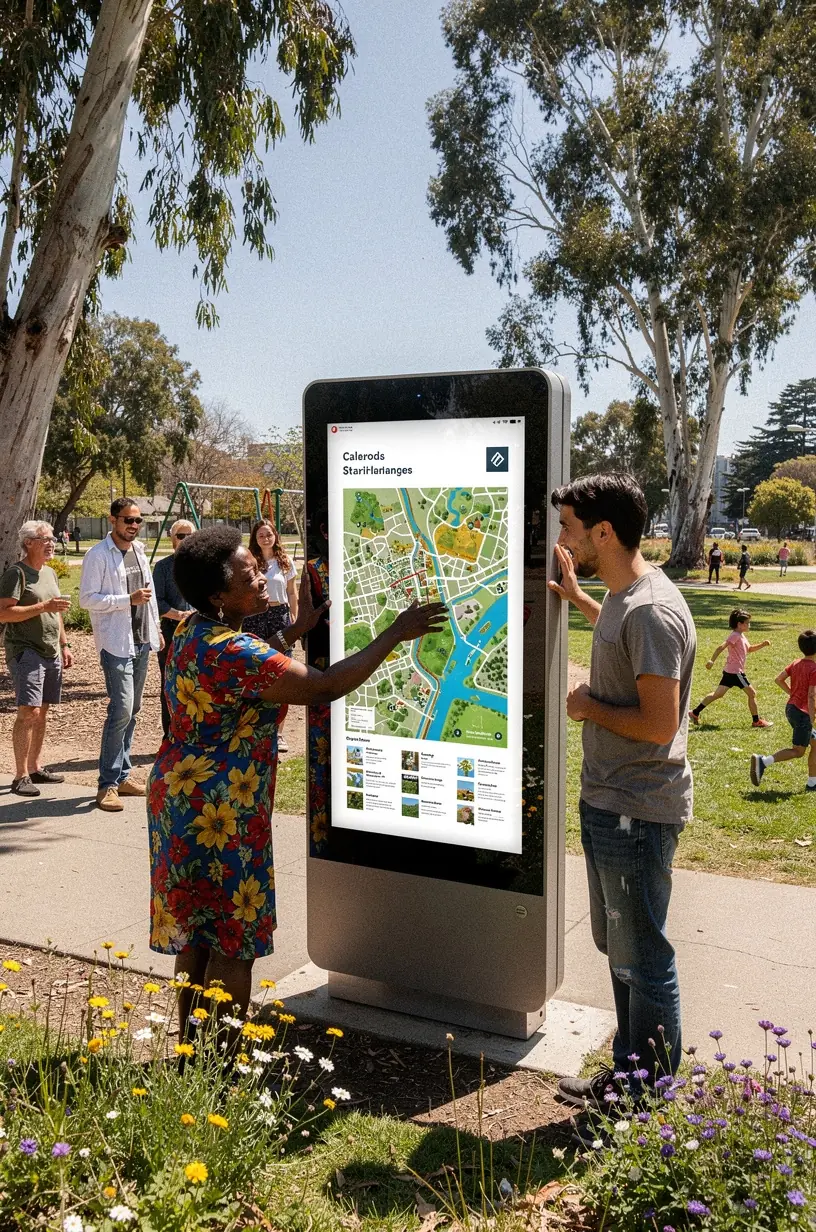
Analyzing Geographic Data for Environmental Insight
Geographic data analysis plays a crucial role in understanding environmental conditions. By leveraging various data sources, communities can make informed decisions that enhance local ecosystems.
Understanding the Basics of Geographic Data Analysis
Geographic data analysis involves evaluating spatial data to uncover patterns and trends related to the environment. According to research from the National Oceanic and Atmospheric Administration (NOAA), utilizing such data can lead to more effective environmental management strategies.

"Harnessing geographic data not only improves environmental understanding but also aids in resource management and policy-making."
Key Components of Effective Geographic Data Analysis
- Data Collection: Gathering data from sources such as satellite imagery, surveys, and environmental sensors is essential. Many experts recommend combining different data types for a comprehensive view.
- Data Mapping: Employing mapping techniques allows for visual representation of data. This is often critical in identifying trends and areas of concern.
- Analysis Techniques: Various analytical methods, including statistical analysis and predictive modeling, help in interpreting complex datasets. These methods can reveal correlations between environmental factors and community health.
Practical Applications of Geographic Data Analysis
Local governments and organizations often utilize geographic data to address environmental issues. For example, studies show that cities that implement data-driven strategies typically see improvements in urban air quality and biodiversity.
Community Engagement and Data Sharing
Engaging local communities in data collection can enhance the relevance and accuracy of the findings. Research indicates that citizen-science initiatives often lead to increased public awareness and participation in environmental conservation efforts.
Challenges to Consider
While the benefits of geographic data analysis are significant, it is important to acknowledge potential limitations:
- Data accuracy can vary, and relying on outdated information may lead to misguided conclusions.
- Implementing comprehensive analysis often requires considerable time and effort, typically taking several months to yield results.
- Access to advanced analytical tools and expertise can be a barrier for some communities, necessitating partnerships with academic institutions or non-profits.
Conclusion
Analyzing geographic data presents a valid approach for gaining insights into environmental conditions. Through a combination of data collection, mapping, and analysis, communities can make informed decisions that benefit local ecosystems. However, it is essential to remain aware of the challenges and limitations associated with data use. By prioritizing education and collaboration, communities can foster a more sustainable future.