Mapping Urban Green Spaces Effectively
Urban green spaces play a vital role in enhancing the quality of life in cities across the United States. As urbanization continues to rise, mapping these important areas can help communities identify, protect, and improve their green environments.
Understanding Urban Green Spaces
Urban green spaces include parks, gardens, green roofs, and natural reserves, all of which contribute to the ecological health of cities. According to research by the American Society of Landscape Architects, these areas are crucial for biodiversity, providing habitats for various species. Furthermore, studies show that access to green spaces can lead to improved mental health and increased physical activity among urban residents.

"Green spaces are not just a luxury; they are essential for sustainable urban living."
The Importance of Mapping
Mapping urban green spaces is an effective way to visualize data related to environmental health and community engagement. By utilizing geographic information systems (GIS), local governments and communities can:
- Identify Opportunities: Recognize areas lacking green spaces that could benefit from new parks or gardens.
- Monitor Ecosystem Health: Track changes in vegetation and biodiversity over time to inform conservation efforts.
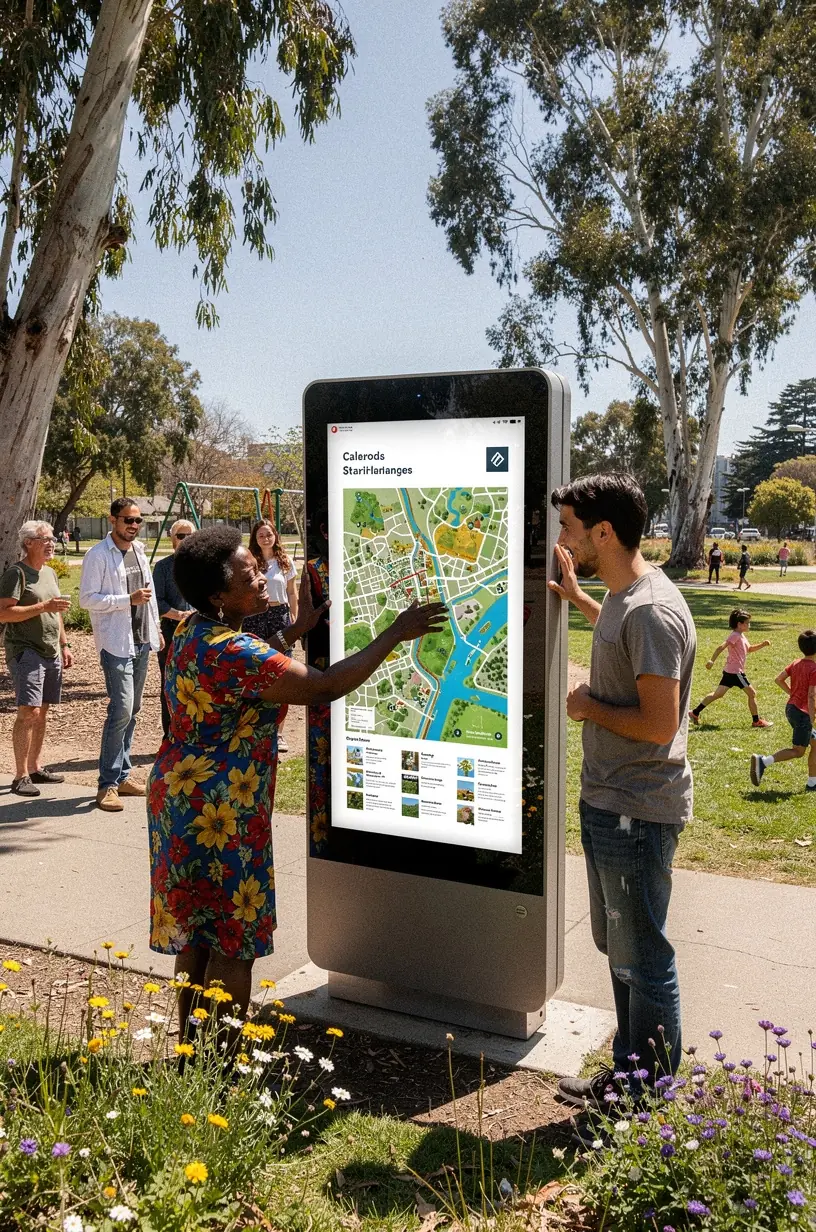
- Enhance Community Engagement: Share maps with residents to encourage participation in local green initiatives.
Methods for Effective Mapping
Effective mapping of urban green spaces typically involves several steps:
- Data Collection: Gather existing data from local governments, environmental organizations, and community surveys.
- GIS Software: Utilize GIS tools to create detailed maps that display the locations, types, and conditions of green spaces. Popular options include ArcGIS and QGIS, which allow for extensive data analysis and visualization.
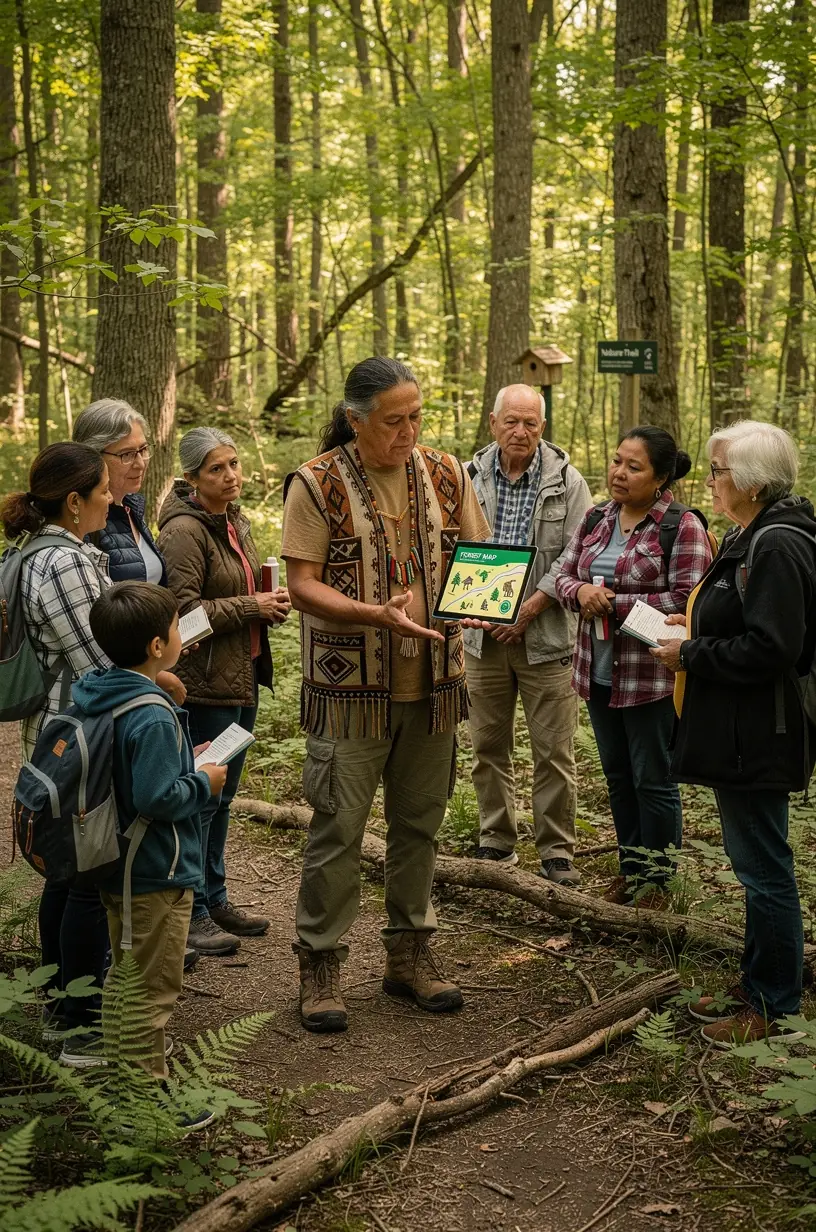
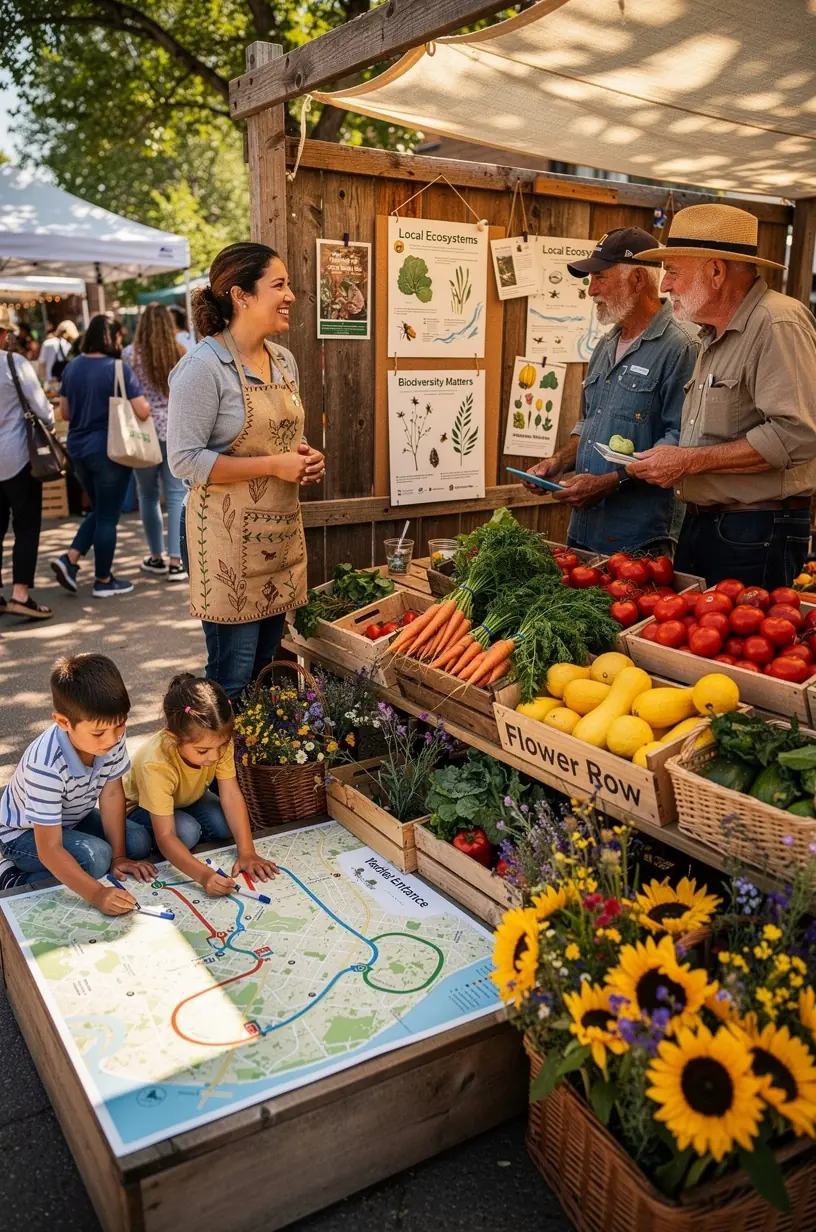
- Community Input: Involve local residents in the mapping process by hosting public meetings or utilizing online platforms for feedback and suggestions.
Research indicates that community involvement in mapping not only increases awareness but also fosters a sense of ownership over local green spaces, leading to better maintenance and care.
Challenges and Considerations
While mapping urban green spaces can offer significant benefits, there are challenges to consider:
- Time Commitment: The process of collecting data and preparing maps can take several weeks to months, depending on the scale of the project.
- Resource Allocation: Communities might require additional resources, such as funding or expertise in GIS technology, to ensure accurate mapping and analysis.
- Data Accuracy: Ensuring the accuracy of collected data is crucial, as outdated or incorrect information can lead to misguided decisions.
Conclusion
Mapping urban green spaces is an important step towards fostering healthier, more sustainable cities. By employing effective mapping techniques and involving community members, urban areas can better manage their green resources and promote ecological well-being. As awareness of the importance of green spaces continues to grow, communities that prioritize mapping efforts may see significant improvements in both environmental quality and resident engagement.
Learn More