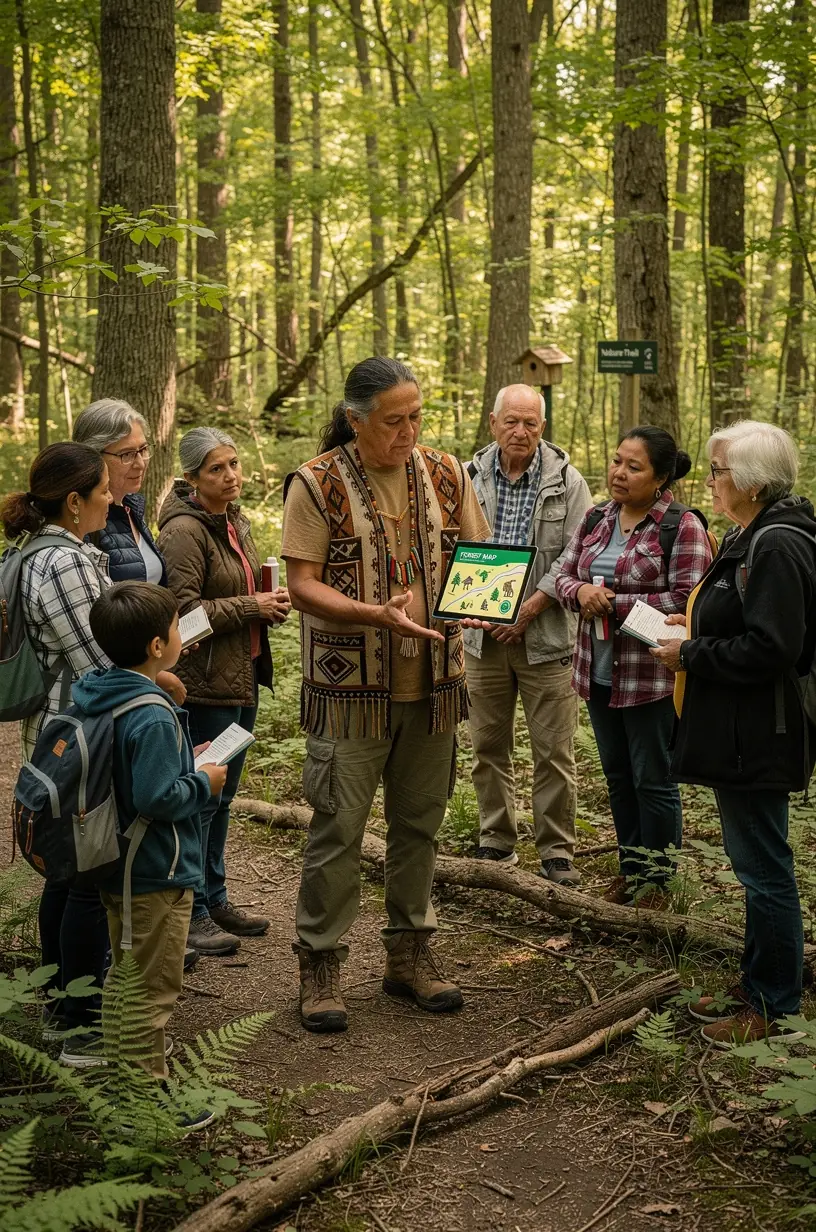
Navigating Local Wildlife Habitats with Maps
Understanding local wildlife habitats is essential for both conservation efforts and recreational activities. Utilizing the right mapping techniques can aid in discovering these habitats effectively while fostering a deeper appreciation for local ecosystems.
Understanding Wildlife Habitats
Wildlife habitats vary considerably across regions, influenced by climate, vegetation, and geography. According to the U.S. Fish and Wildlife Service, habitats are defined as the natural environment where a species thrives, which includes food, water, and shelter. Recognizing these elements is crucial for anyone looking to explore or study local wildlife.

"A well-mapped habitat can reveal crucial insights into the behavior and population of local wildlife." – Wildlife Conservation Expert
Benefits of Using Maps for Wildlife Navigation
Utilizing maps for wildlife navigation can enhance your understanding of local ecosystems in multiple ways:
- Identifying Key Locations: Maps can highlight areas of high biodiversity, helping you to locate wildlife hotspots.
- Tracking Seasonal Changes: Many species migrate or change their behavior with the seasons. Maps can illustrate these shifts and guide your observations accordingly.
- Understanding Habitat Interactions: By analyzing mapped data, you can learn how various species interact within their habitats, which is fundamental for conservation efforts.
How to Access and Utilize Wildlife Maps
Accessing wildlife maps can be achieved through several resources. Many state wildlife agencies provide detailed maps of local habitats, often featuring information about specific species and their needs. Online platforms and mobile applications are also available, offering interactive maps that can show real-time data.
When using these maps, consider the following approaches:
- Research Specific Habitats: Begin by identifying the type of wildlife you are interested in. Use maps to locate their preferred habitats.
- Plan Your Visits: Timing is essential. Many animals are more active during certain times of the day or year, and maps can guide you on the best times to visit.
- Document Your Findings: Take notes on what you observe in relation to the mapped data. This practice not only enhances your understanding but contributes valuable information to local conservation efforts.
Conclusion
Maps can serve as invaluable tools for navigating local wildlife habitats, providing insights that enrich your understanding of ecosystems. While effective navigation typically requires some practice and familiarity with mapping resources, the effort can lead to rewarding experiences in nature. By engaging with local habitats responsibly and thoughtfully, you contribute to the preservation of wildlife and the health of the ecosystem.