Utilizing GIS in Community Engagement Projects
Geographic Information Systems (GIS) have emerged as a powerful tool in fostering community engagement. This article explores how GIS can enhance community interactions, facilitate planning, and create actionable insights for local projects.
Understanding the Role of GIS
GIS is not merely software; it represents a methodology for capturing, analyzing, and interpreting spatial data. According to industry experts, effective GIS utilization can drive community engagement by providing visual context and facilitating discussions based on real data. The principle behind GIS is that it allows users to visualize geographic data in ways that are intuitive and informative.
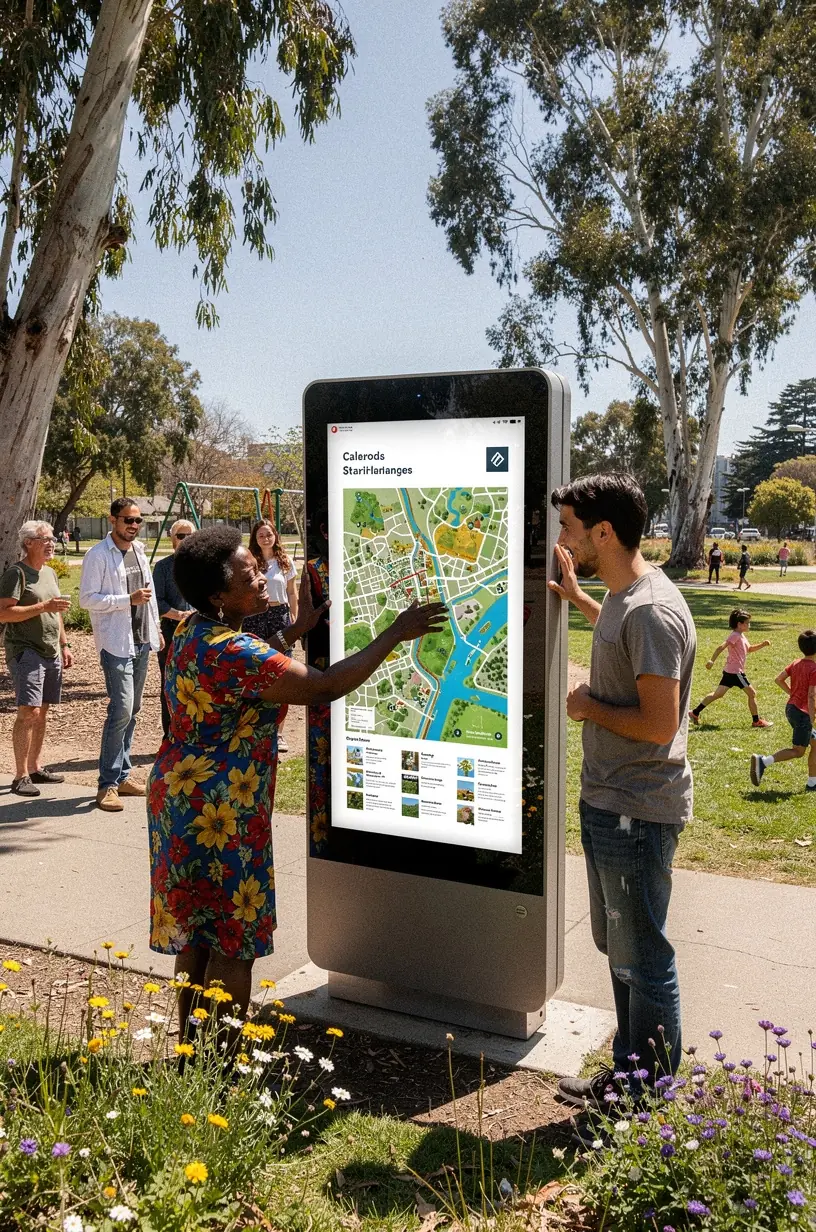
"GIS provides a framework for understanding complex spatial relationships, allowing communities to engage more deeply with local issues."
Benefits of GIS in Community Engagement
- Enhanced Visibility: GIS can visually represent community data, making it easier for residents to grasp local issues, such as zoning changes or environmental impacts.
- Data-Driven Decisions: Local governments and community organizations often leverage GIS to analyze demographics, land use, and infrastructure, which can lead to more informed decision-making.
- Increased Participation: By offering interactive maps and data visualizations, communities can encourage broader participation in planning processes, thus fostering a sense of ownership among residents.
Practical Applications of GIS
Integrating GIS into community engagement projects typically involves several steps:
- Data Collection: Gathering relevant geographic data, which may include surveys, public records, and existing spatial databases, is the first step.
- Data Visualization: Using GIS software to create maps and visual representations of the data helps communicate findings effectively.
- Community Workshops: Facilitate community engagement through workshops where residents can interact with the maps, share insights, and provide feedback.
This process often takes several weeks due to the need for thorough data collection and community input. It is essential to recognize that successful implementation requires commitment from both organizers and community members alike.
Challenges and Considerations
While GIS can significantly enhance community engagement, several challenges must be acknowledged:
- Learning Curve: There is often a steep learning curve associated with GIS software. Community members may require support to effectively engage with the tools.
- Accessibility: Ensuring that all community members have access to the necessary technology is crucial to avoid excluding certain groups.
- Data Privacy: It is important to consider privacy implications when collecting and sharing community data, ensuring compliance with relevant regulations.
Conclusion
GIS presents a viable approach to enhancing community engagement through data visualization and analysis. By focusing on collaborative processes and educational efforts, communities can utilize geographic data effectively to address local issues. As noted by experts in the field, when properly implemented, GIS can foster a stronger connection between residents and local decision-making processes, promoting a more engaged and informed community.