The Role of Community Input in Ecosystem Mapping
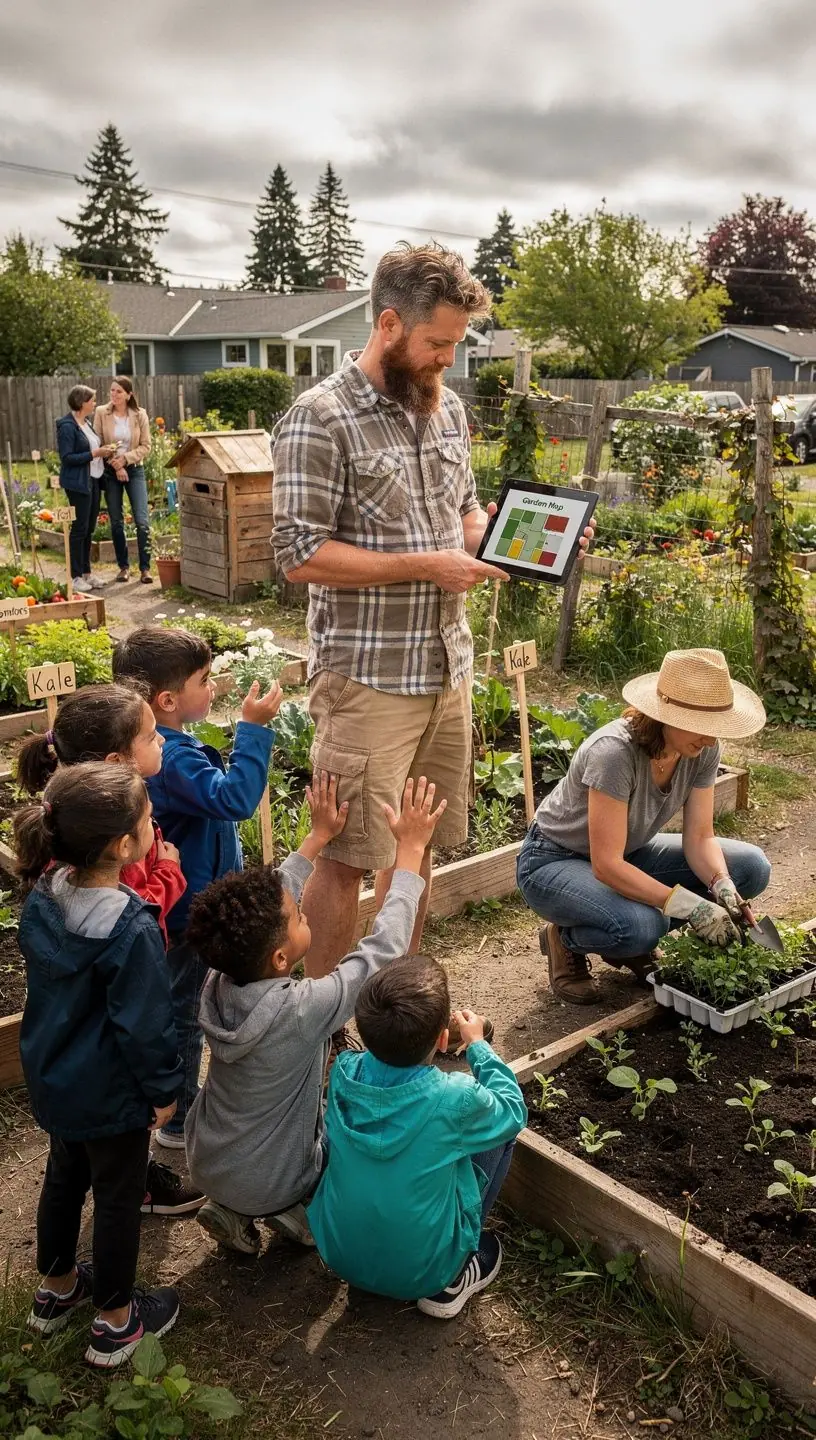
Ecosystem mapping is a critical practice for understanding local environments and enhancing community interactions. Engaging community members in this process can lead to more accurate and meaningful maps that reflect the true essence of the area.
Understanding the Basics of Ecosystem Mapping
Ecosystem mapping involves creating visual representations of a geographical area, detailing the species, habitats, and resources present. Experts suggest that community input is vital in this process as it brings local knowledge and perspectives into the map-making process. According to research by the National Geographic Society, community engagement in ecological projects can increase data accuracy by up to 30% in many cases.
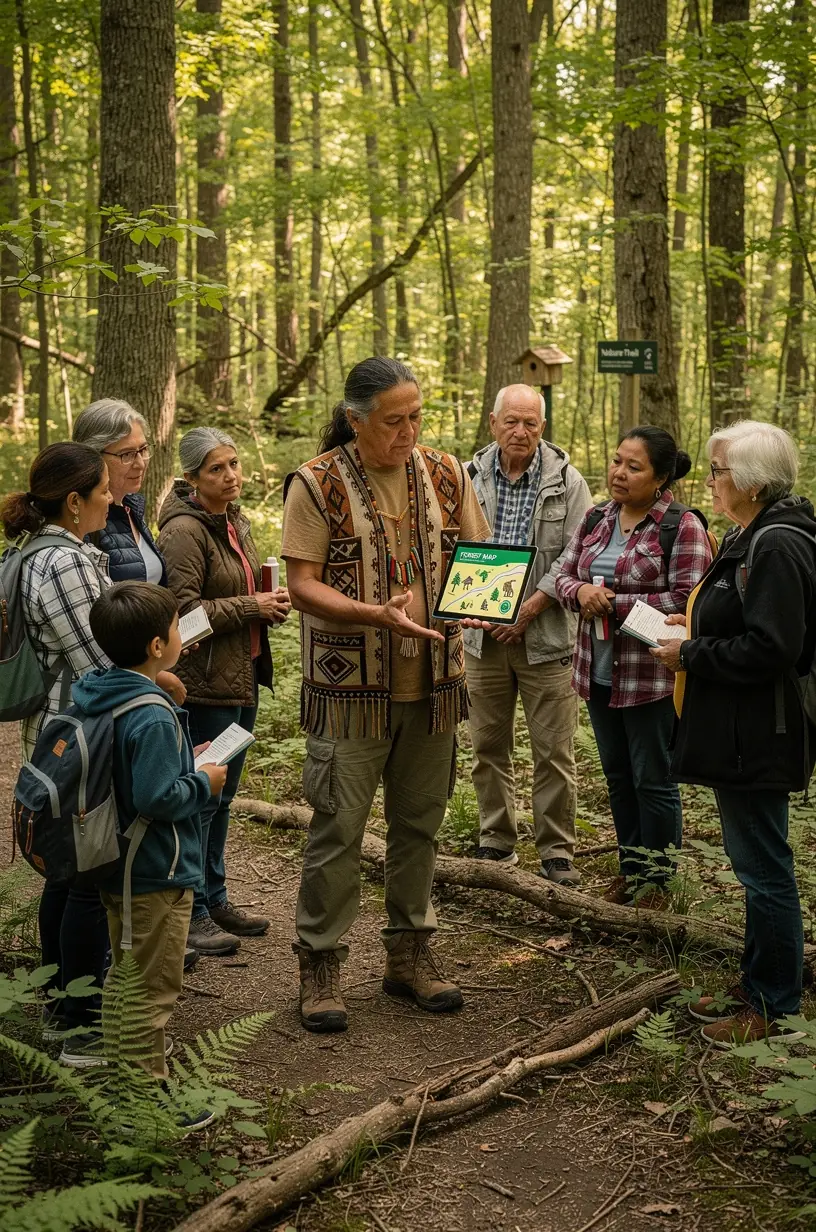
"Local residents often have invaluable insights that can refine and enhance ecosystem maps, making them more relevant to the community."
The Importance of Community Engagement
Community members typically possess a wealth of knowledge regarding their local environment, including the location of unique species, hidden resources, and areas of ecological concern. Involving them in the mapping process can:
- Improve data accuracy: Local individuals can provide insights that researchers may overlook, resulting in a more comprehensive understanding of the ecosystem.
- Foster ownership: When community members contribute to the mapping process, they often feel a greater sense of responsibility for the environment, leading to better conservation efforts.
- Enhance collaboration: Working together on mapping projects can strengthen community bonds and promote collaborative conservation initiatives.
Strategies for Effective Community Input
To maximize the benefits of community involvement, several strategies can be employed:
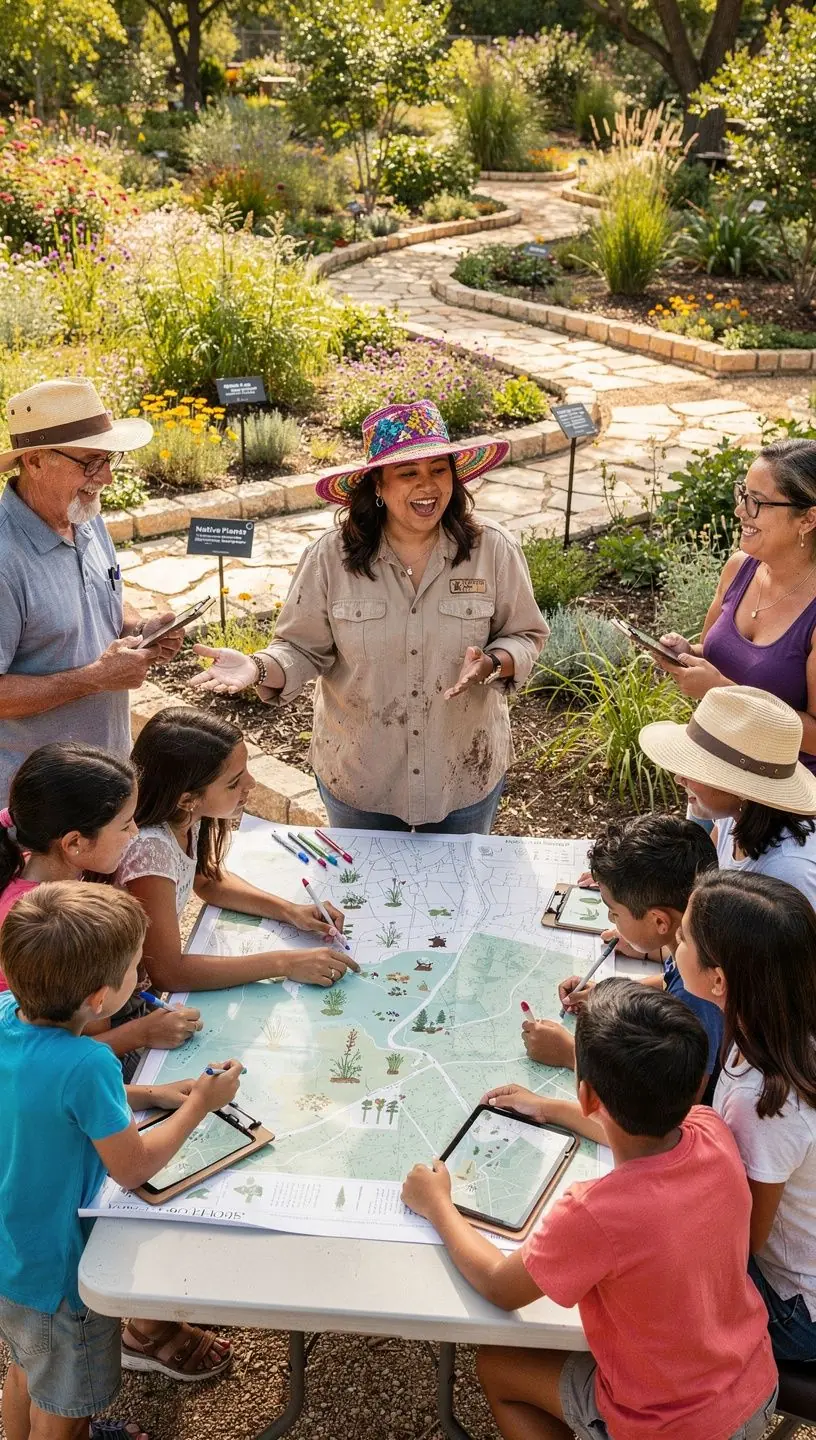
- Organize community forums: Hosting events where residents can share their knowledge and experiences fosters open communication and collaboration.
- Utilize surveys and questionnaires: Collecting information through structured tools can help gather valuable data from a broader audience.
- Encourage citizen science: Involving community members in data collection campaigns can enhance engagement and provide real-time data for ecosystem mapping.
Acknowledging Limitations
While community input is invaluable, it is important to recognize potential limitations. Relying solely on local knowledge can sometimes lead to biases or incomplete information. To mitigate this, experts recommend combining community input with scientific research to achieve a balanced and accurate ecosystem map.
Conclusion
In conclusion, community input plays a crucial role in ecosystem mapping. By incorporating local knowledge and fostering engagement, it is possible to create more accurate and meaningful representations of the environment. This process not only enhances understanding but also strengthens community ties and encourages collective stewardship of local ecosystems.