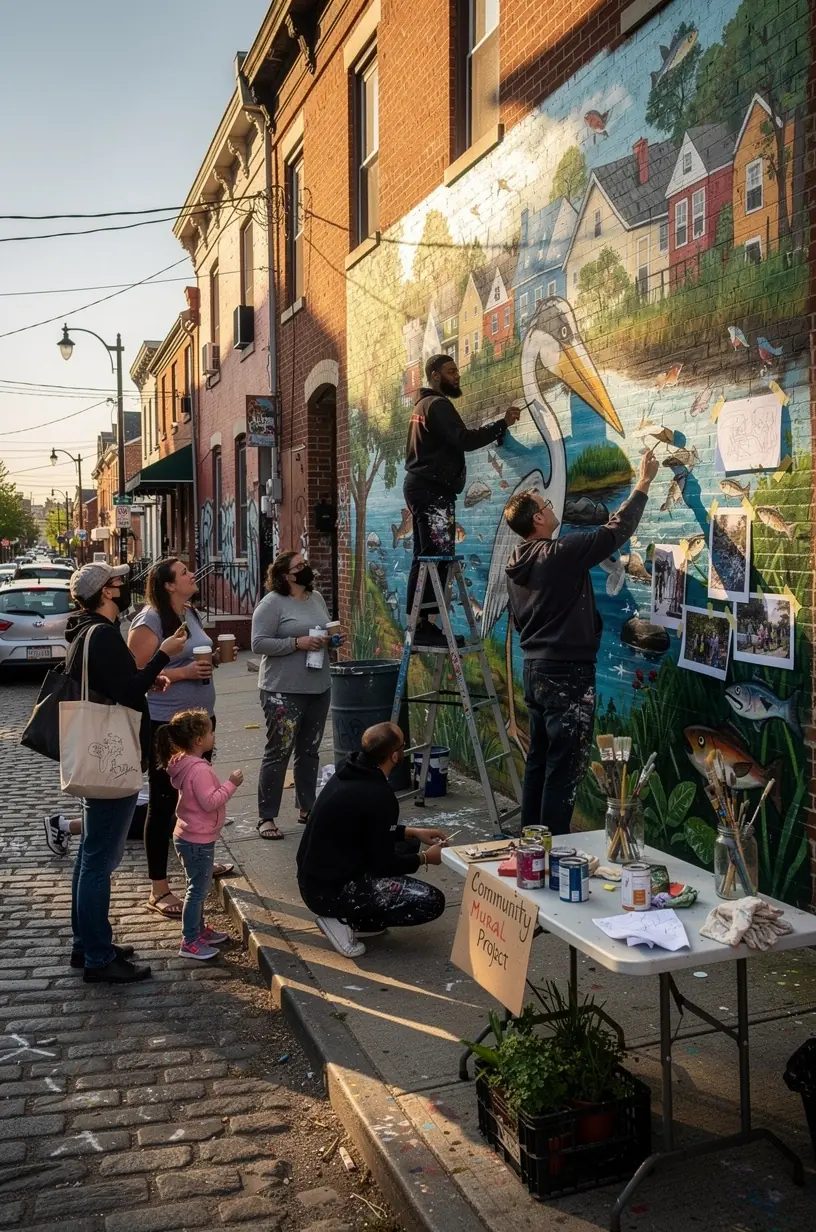
Mapping Community Resources for Environmental Justice
Environmental justice is a critical issue in the United States, often highlighting the disparities faced by marginalized communities. Effective mapping of community resources can play a vital role in advocating for environmental justice and improving local ecosystems.
Understanding the Importance of Mapping
Mapping community resources involves identifying and visualizing local assets that contribute to environmental health. According to research from the Environmental Protection Agency (EPA), effective resource mapping can help communities understand their strengths and needs, which is essential for driving local action towards environmental justice. The process of mapping typically includes:
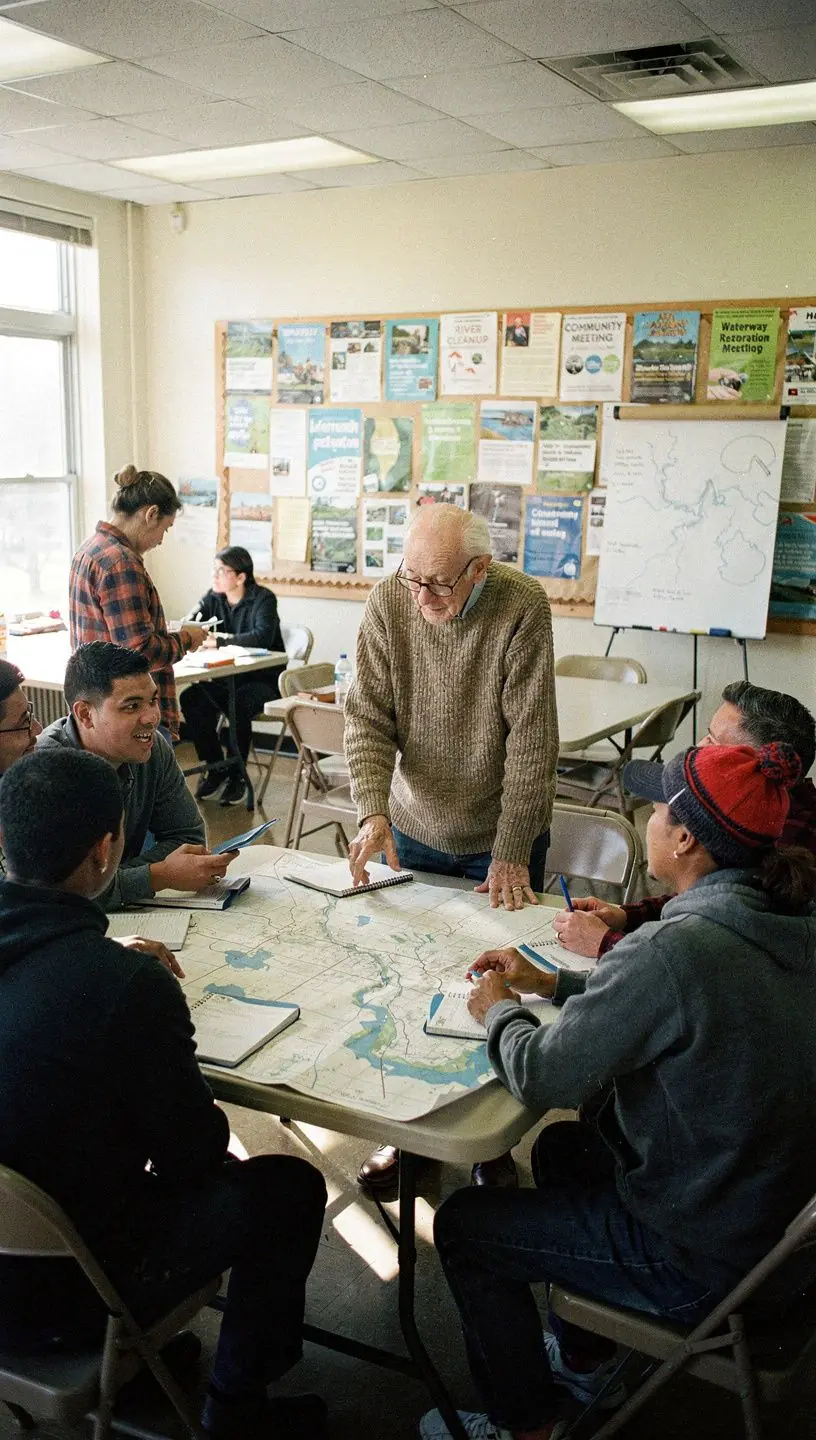
- Data Collection: Gathering information about local resources, such as parks, community gardens, and environmental organizations.
- Collaboration: Engaging with local residents and stakeholders to ensure that the map reflects diverse perspectives and needs.
- Visualization: Creating accessible and informative maps that can be used to facilitate discussions and drive action.
The Benefits of Resource Mapping
Communities that engage in mapping initiatives often experience several benefits. Studies show that when residents are actively involved in mapping efforts, it can:
- Enhance community engagement and collaboration.
- Provide visual evidence to support advocacy efforts for policy changes.
- Help identify gaps in resources that need to be addressed.
"Mapping is not just about creating visuals; it's about empowering communities to take charge of their environmental future."
Implementing Mapping Strategies
Effective mapping strategies typically involve a step-by-step approach:
- Identify Goals: Define the specific objectives for the mapping project, such as raising awareness about local environmental issues or mobilizing support for a new community initiative.
- Engage the Community: Gather input from community members to ensure that the map reflects their experiences and needs. This can involve surveys, focus groups, or community meetings.
- Create the Map: Use accessible mapping tools to visualize the data collected. Tools like Google Maps or GIS software can be effective for creating interactive maps.
- Share and Act: Disseminate the map to the community and stakeholders, encouraging dialogue and action based on the findings.
Acknowledging Challenges
While mapping community resources can be highly effective, it is important to acknowledge potential challenges. The process can be time-consuming and may require significant community involvement. Additionally, resource mapping may not capture all dimensions of environmental justice, particularly in areas with limited access to technology or data.
Conclusion
Mapping community resources for environmental justice is a powerful approach to empower local neighborhoods and address disparities. By understanding the local ecosystem, communities can better advocate for their needs and work towards a healthier environment. While the process requires time and effort, the potential benefits can lead to meaningful change in fostering environmental justice.