Exploring Local Biodiversity through Mapping
Mapping local biodiversity is becoming increasingly important in understanding and preserving the ecosystems around us. By utilizing various mapping methods, communities can visualize their local flora and fauna, fostering a deeper connection with their environment.
Understanding the Basics of Biodiversity Mapping
Biodiversity mapping involves creating visual representations of the different species found within a specific area. According to the United Nations Environment Programme, biodiversity loss is a pressing global issue, and mapping can provide valuable insights into local ecosystems. Experts suggest that effectively mapping biodiversity can support conservation efforts and promote sustainable practices.

"Mapping biodiversity not only helps in conservation but also enhances community engagement and awareness." - Ecological Expert
Methods for Mapping Local Biodiversity
There are several methods that individuals and communities can use to map biodiversity:
- Field Surveys: Conducting surveys in local parks or nature reserves allows for the collection of data on species presence and abundance. Typically, this method involves walking specific routes and recording observations.
- Citizen Science Projects: Many organizations encourage local residents to contribute to biodiversity mapping through apps and online platforms. This participatory approach has been shown to increase data richness and engagement.
- Remote Sensing: Utilizing satellite imagery and aerial photography provides a broader perspective of large areas, enabling the identification of habitat types and land-use changes over time.
Importance of Community Involvement
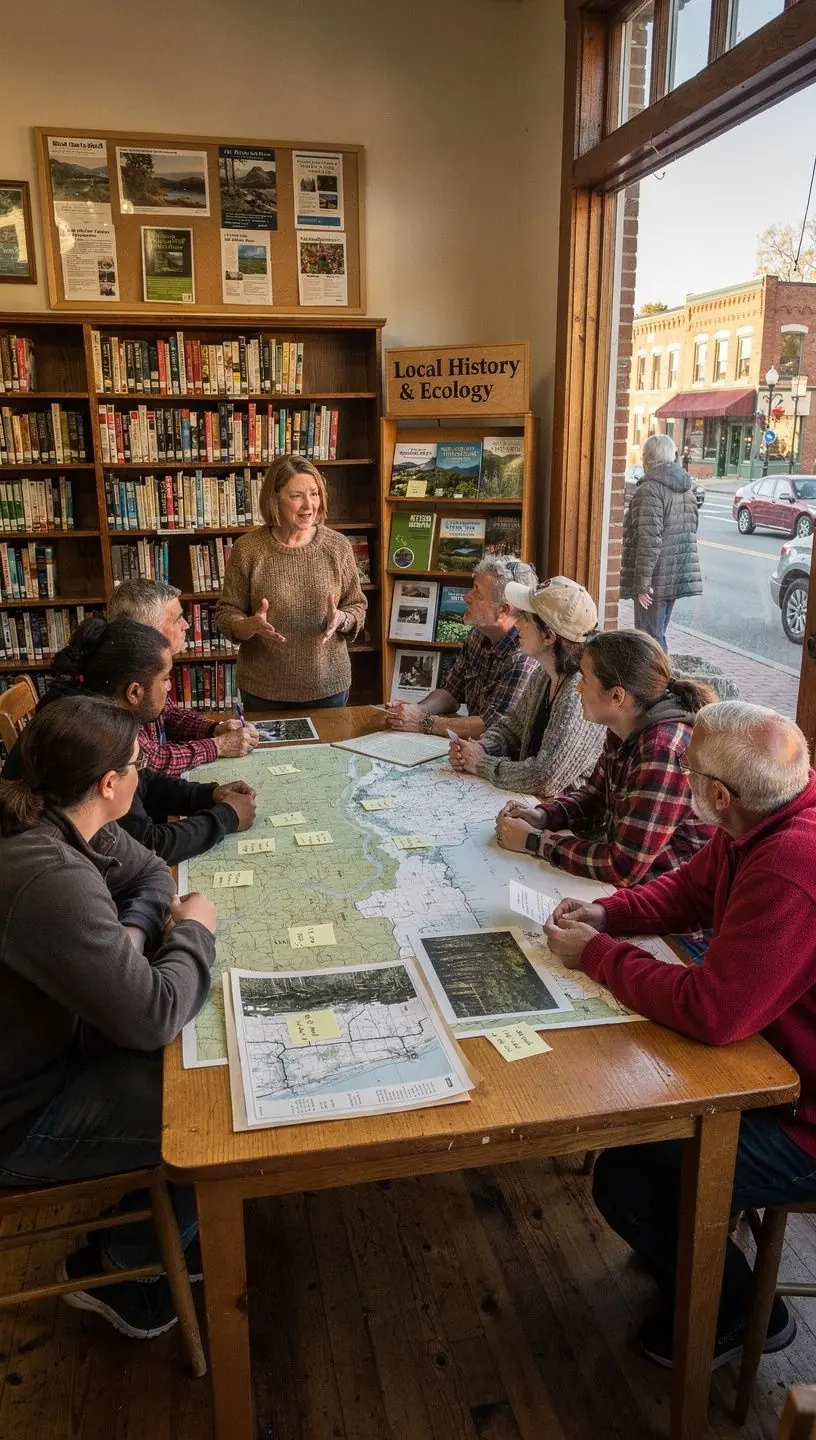
Community engagement plays a critical role in successful biodiversity mapping. According to research from the National Academies of Sciences, involving community members not only improves data collection but also fosters a sense of ownership over local ecosystems. This shared responsibility may lead to more robust conservation initiatives.
Benefits of Mapping Local Biodiversity
Engaging in biodiversity mapping can yield several benefits for communities, such as:
- Increased Awareness: Mapping enhances understanding of local ecosystems and the importance of biodiversity, which can lead to greater environmental stewardship.
- Data-Driven Decision Making: Local governments and organizations can use mapped data to inform policies and conservation efforts, ensuring that decisions are based on sound scientific evidence.
- Strengthened Community Bonds: Collaborative mapping projects can bring people together, promoting teamwork and community spirit while achieving meaningful goals for the environment.
Conclusion
Exploring local biodiversity through mapping is a powerful way to engage communities in environmental conservation. By understanding the methods available and the benefits of collective participation, individuals can contribute to preserving their local ecosystems. As research shows, mapping biodiversity not only aids scientific knowledge but also enhances community cohesion and environmental awareness.