Understanding Community Mapping Techniques
Community mapping is a vital process that helps local residents visualize and analyze their environment. Utilizing various techniques, community members can identify resources, plan initiatives, and foster connections. This article provides insights into effective community mapping practices, their methodologies, and the potential benefits they offer.
Understanding the Basics of Community Mapping
Community mapping is the practice of creating visual representations of local resources and development opportunities. According to research, this approach can significantly enhance community engagement and decision-making processes. Community members typically collaborate to collect data, identify challenges, and highlight assets, leading to a more comprehensive understanding of their surroundings.

"Community mapping empowers residents to take charge of their local environment, fostering a sense of ownership and responsibility."
Key Techniques in Community Mapping
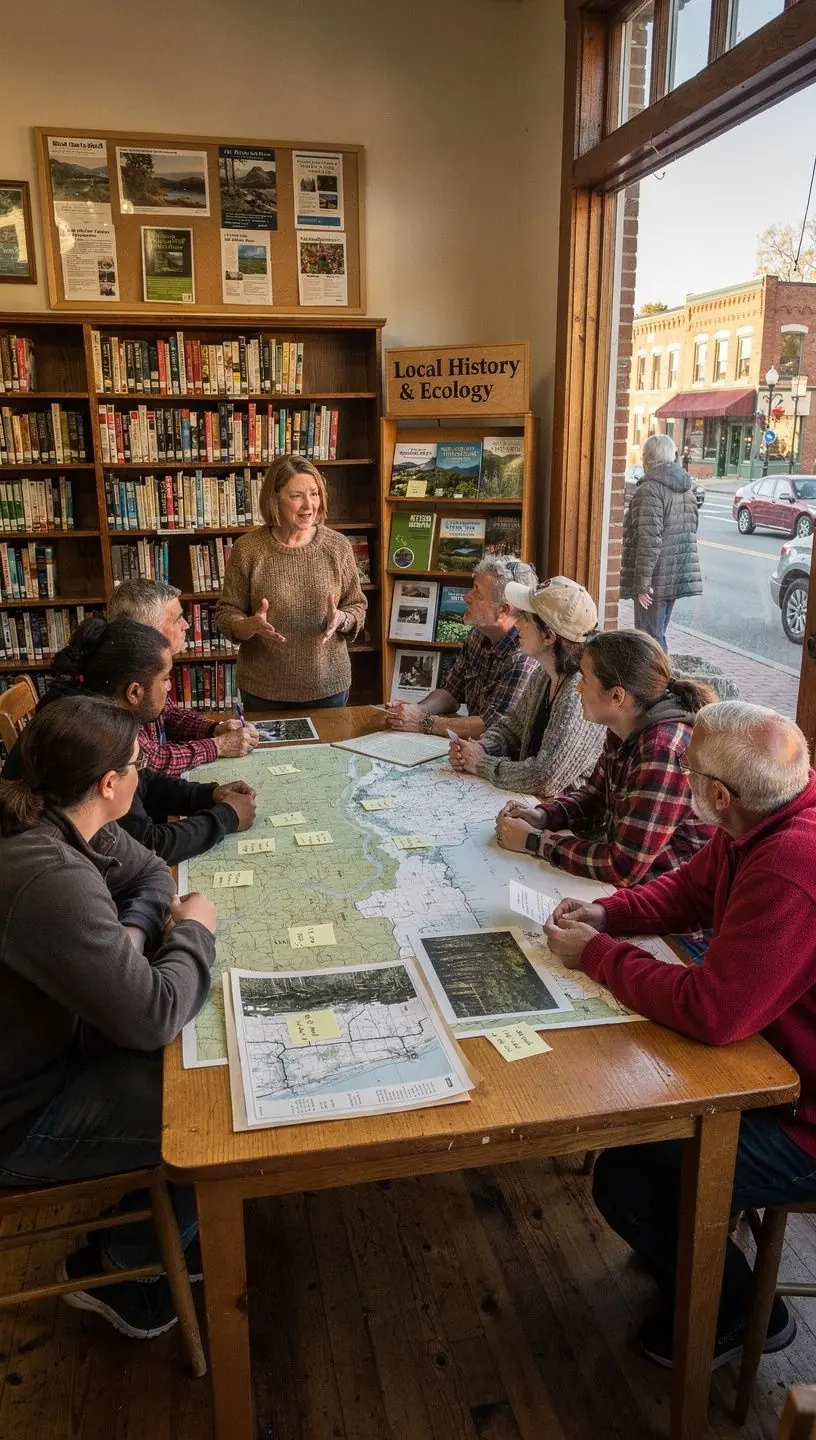
- Participatory Mapping: This technique often involves community workshops where residents actively participate in creating maps. Studies show that participatory mapping can improve community cohesion and encourage dialogue.
- GIS Technology: Geographic Information Systems (GIS) are powerful tools that allow users to visualize spatial data. While these systems can be complex, they provide valuable insights when used correctly. Typically, GIS training sessions can take several weeks to master, requiring consistent practice.
- Social Mapping: This approach focuses on understanding social relationships within a community. It can help reveal patterns of interaction and resource allocation. Experts recommend using social mapping to identify key community leaders and influencers.
Practical Application of Community Mapping Techniques
Implementing community mapping effectively often requires a clear strategy. Here are steps to consider:
- Identify the Purpose: Understand what you aim to achieve with community mapping, whether it's addressing a specific issue or planning for future development.
- Engage the Community: Involve local residents from the outset to ensure diverse perspectives and insights. Many users report that collaborative efforts lead to richer data and more meaningful outcomes.
- Choose the Right Method: Depending on your goals, select the most suitable mapping technique. Each method has its strengths; for example, participatory mapping is excellent for fostering community involvement, while GIS can provide in-depth analysis.
- Analyze and Share Findings: After creating the maps, take the time to analyze the data. Sharing findings with the community is crucial, as this can help reinforce transparency and trust among participants.
Challenges and Considerations
While community mapping offers numerous benefits, it also presents challenges. For instance, obtaining accurate data can require significant time and effort. Additionally, not all community members may be familiar with mapping techniques; therefore, patience and guidance are essential.
Furthermore, the success of community mapping initiatives often hinges on ongoing engagement. Sustained interest and participation typically take time to cultivate, and initial enthusiasm may wane. It is important to maintain communication and provide updates to keep the community involved.
Conclusion
Community mapping is a powerful method for fostering local engagement and understanding. By utilizing diverse techniques, community members can effectively identify their resources and challenges. While the process requires effort and commitment, the potential benefits—such as increased community cohesion and informed decision-making—are often well worth it. By approaching community mapping with a measured and inclusive mindset, residents can create a richer, more connected community.
Learn More