Understanding the Impact of Urbanization on Ecosystems
Urbanization is a complex process that significantly transforms landscapes, habitats, and local ecosystems. As cities expand, understanding its effects on biodiversity and environmental health becomes crucial for sustainable development.
Defining Urbanization
Urbanization refers to the increasing number of people living in urban areas, often leading to the growth of cities and towns. This process is characterized by the transformation of natural environments into built environments, such as residential, commercial, and industrial spaces. According to research, urbanization is expected to involve 68% of the world's population living in urban areas by 2050, which raises concerns about its ecological impact.
Effects on Biodiversity
One of the primary consequences of urbanization is the loss of biodiversity. As green spaces are replaced by buildings and roads, many species face habitat destruction. Experts recommend that planners consider the ecological value of these spaces to mitigate negative effects. Key impacts include:
- Habitat Fragmentation: This occurs when natural habitats are divided into smaller, isolated patches, making it challenging for species to thrive.
- Pollinator Decline: Urban environments often lack the diversity of flora needed to support native pollinators, which can affect food production and ecosystem stability.
- Invasive Species: Urban areas can act as gateways for invasive species, which may outcompete native species for resources.
"Urbanization can lead to a significant decline in species diversity, altering ecosystem functions and services." - Environmental Studies Journal
Water Quality and Urbanization
Urbanization affects water quality in various ways. Natural water bodies may become polluted due to runoff from urban surfaces, which can introduce harmful substances into local ecosystems. Studies show that impervious surfaces, like asphalt and concrete, can lead to increased stormwater runoff, which often carries pollutants such as heavy metals and chemicals.
Implementing green infrastructure, such as rain gardens and permeable pavements, can help mitigate these effects by allowing for better water absorption and filtration. Many cities are now recognizing the importance of incorporating such solutions into urban planning to sustain healthy ecosystems.
Community Interaction and Conservation
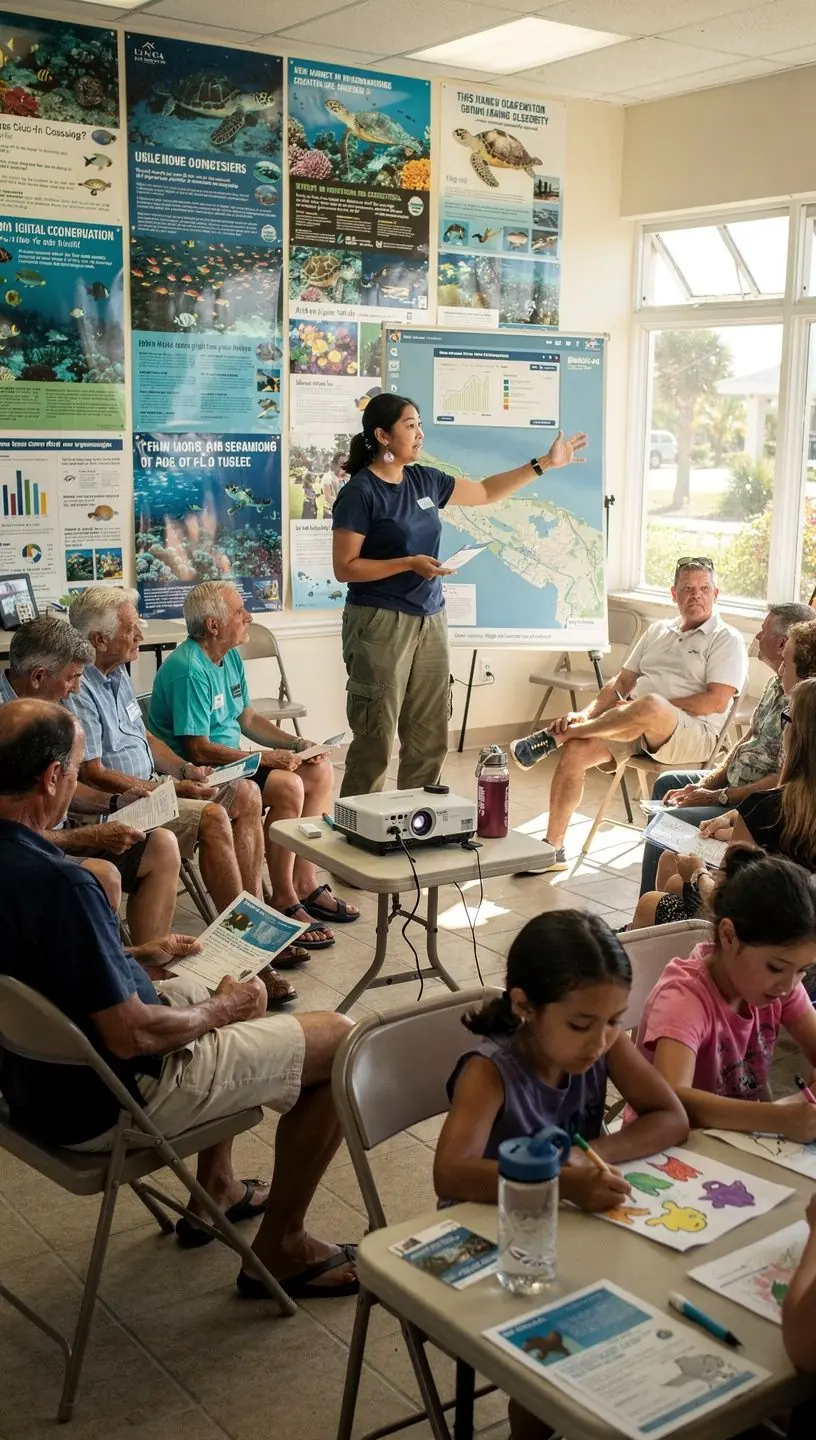
Community involvement plays a vital role in addressing the impacts of urbanization. Engaging local residents in conservation efforts can foster a sense of stewardship for the environment. Research indicates that when communities are involved in urban greening projects, there is a greater likelihood of successful outcomes. Effective strategies may include:
- Organizing local clean-up events to restore natural habitats.
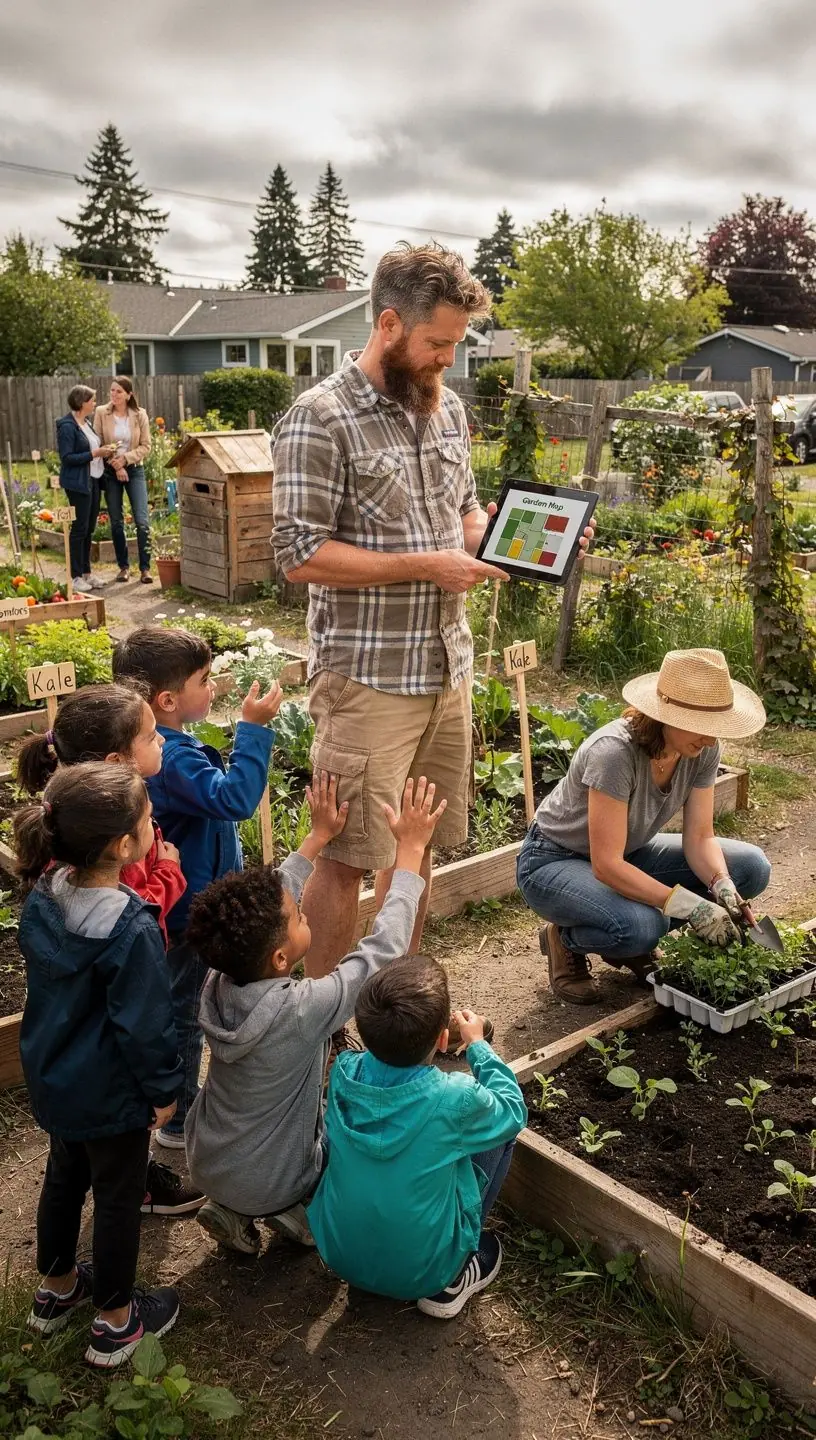
- Creating community gardens to promote biodiversity and provide green space.
- Educating residents about the ecological importance of local species and habitats.
Conclusion
Urbanization presents significant challenges to ecosystems, but through informed planning and community engagement, it is possible to mitigate its impacts. As cities continue to grow, prioritizing ecological sustainability can help preserve biodiversity and enhance the quality of life for all residents. Understanding the intricate relationships between urban environments and ecosystems is essential for fostering a healthier planet.