Creating Educational Maps for Local Conservation Efforts
Educational maps can serve as powerful tools in promoting local conservation efforts. By providing visual representation of ecological data, these maps can raise awareness, facilitate better decision-making, and foster community engagement. This article explores the methods and best practices for creating effective educational maps focused on conservation.
Understanding the Importance of Educational Mapping
According to research, visual data representation can enhance understanding and retention of information by up to 60% compared to text alone. Educational maps allow communities to visualize their local ecosystems, highlighting areas that require conservation or restoration efforts. Many experts recommend integrating geographic information systems (GIS) to enhance the accuracy and effectiveness of these maps.
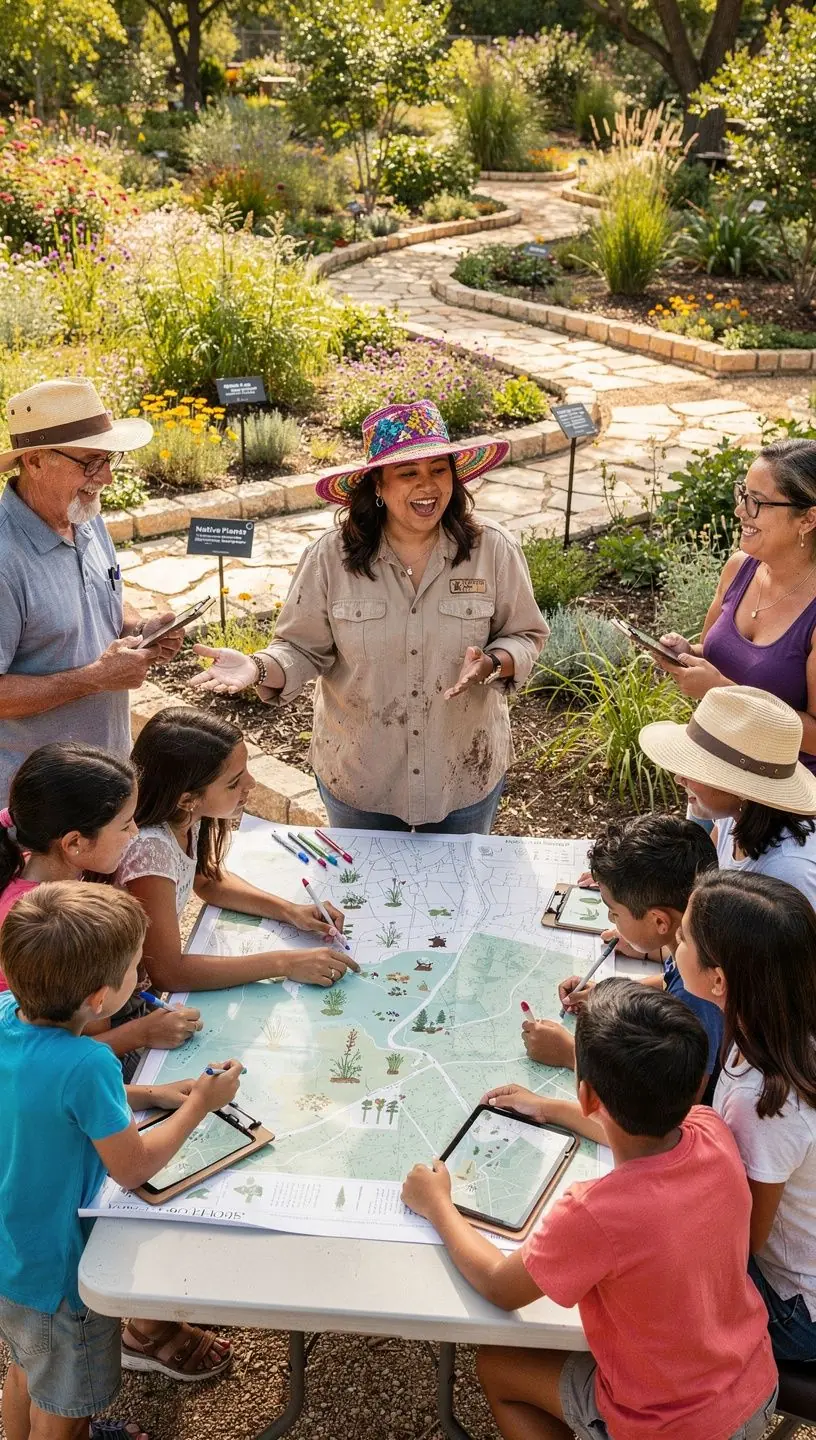
"Maps are not just tools; they tell stories about our environment and the actions we can take to protect it." - Dr. Linda Hayes, Environmental Scientist
Key Elements of Effective Educational Maps
Creating an educational map involves several critical steps that can significantly improve its impact:
- Define Your Objectives: Determine what you want to communicate through the map. Is it to raise awareness about a specific endangered species, or to illustrate the impact of urban expansion on local habitats?
- Gather Accurate Data: Use reliable sources for your ecological data, such as governmental environmental agencies or reputable research institutions. This step is essential for maintaining credibility and effectiveness.
- Select the Right Mapping Tools: While various mapping software options exist, selecting one that aligns with your needs can enhance your mapping process. Industry standards typically recommend using GIS platforms that allow for layering of information for detailed insights.
Engaging the Community
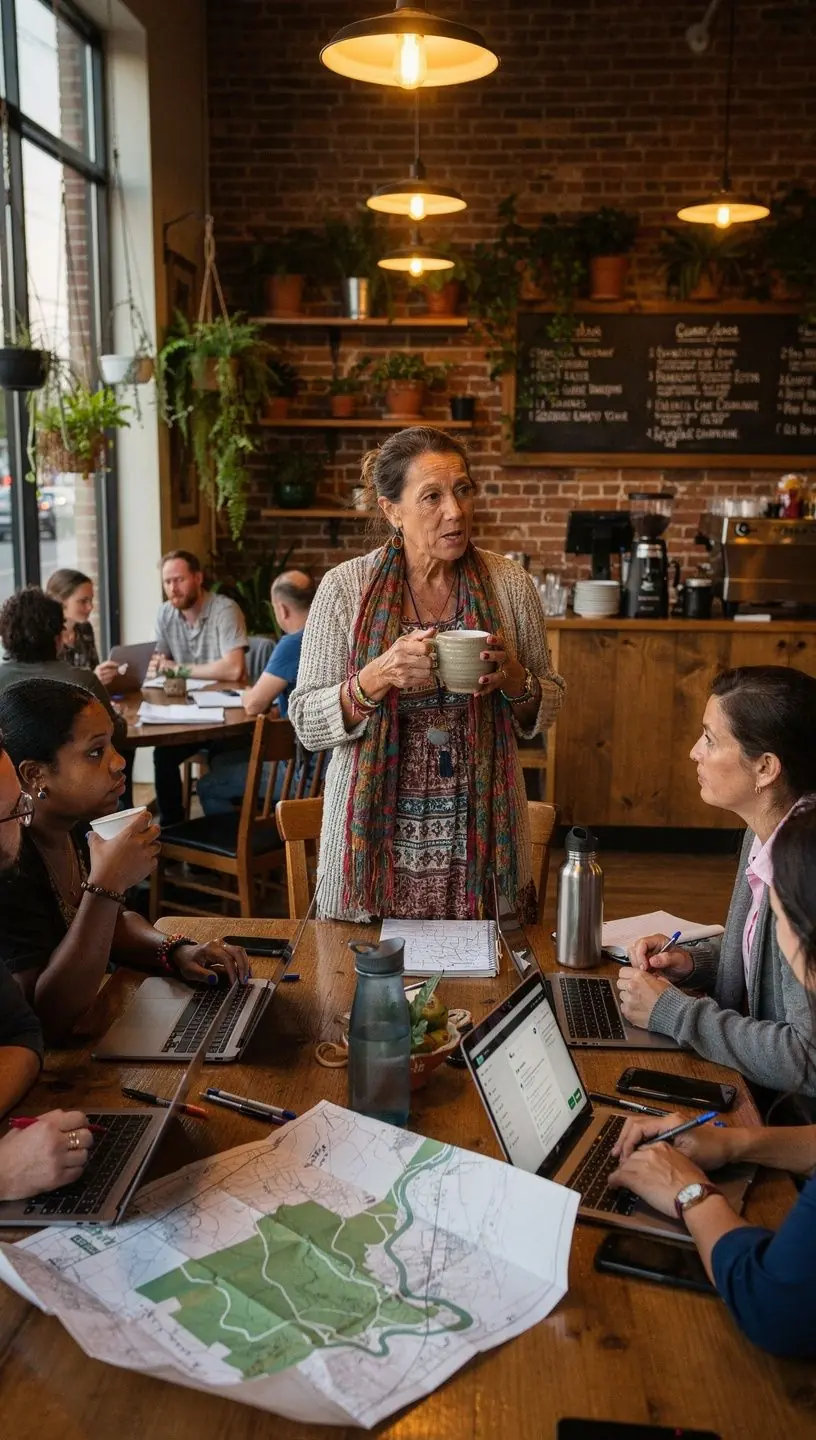
Involving local community members in the mapping process can lead to a deeper connection with the project. Studies show that community-based participatory mapping can increase local engagement by encouraging residents to share their knowledge and perspectives. Here are some practical ways to involve the community:
- Host Community Mapping Sessions: Organize events where community members can contribute to the mapping process, share local knowledge, and discuss conservation priorities.
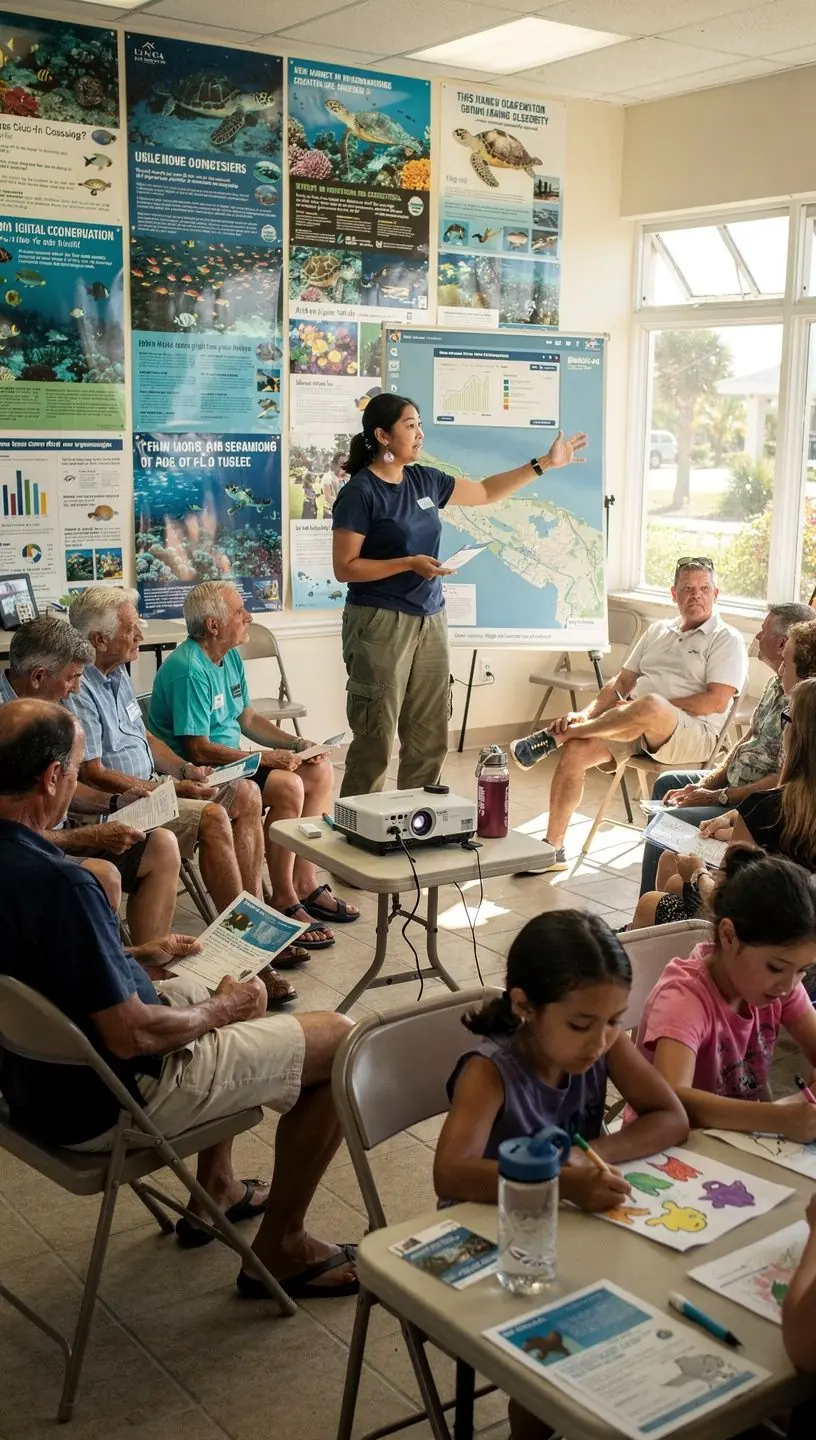
- Provide Educational Workshops: Offer sessions that educate participants about local ecosystems, conservation importance, and the use of mapping technologies.
- Utilize Social Media for Feedback: Share preliminary maps online and invite community input. This approach can help refine the map and ensure it accurately reflects local concerns and priorities.
Conclusion
Creating educational maps for local conservation efforts is an effective way to engage and inform communities about their ecological surroundings. By following best practices—defining clear objectives, gathering accurate data, selecting appropriate mapping tools, and involving the community—efforts can have a lasting impact on local conservation initiatives. Remember, the process may require time and commitment, but the resulting maps can serve as invaluable resources in fostering environmental stewardship.